How to Identify and Get Rid of Bedbugs
Bedbugs are among the most frustrating household pests. They do not typically spread disease to humans, but their bites can cause itching, skin irritation, allergic reactions, poor sleep, and stress.
Because bedbugs are tiny, excellent at hiding, and reproduce quickly, early detection is important. The good news is that infestations can be controlled with the right approach.
What Are Bedbugs?
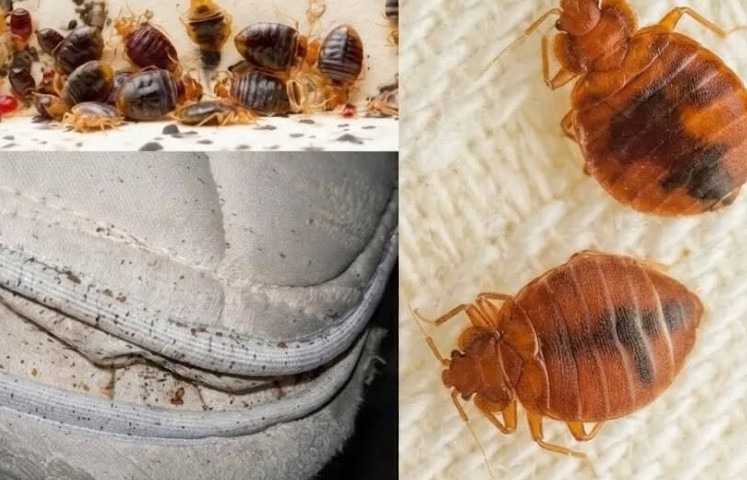
Bedbugs (Cimex lectularius) are small, reddish-brown, wingless insects that feed on blood. Adults are roughly the size of an apple seed and have flat, oval-shaped bodies.
They usually hide during the day and become active at night.
Despite their name, bedbugs can hide in many places, including:
- Mattress seams and bed frames
- Box springs and headboards
- Furniture joints and upholstered chairs
- Baseboards and small cracks
- Luggage, clothing, and bedding
Signs of Bedbugs
Common warning signs include itchy red bumps, often appearing in groups or lines on exposed skin. However, bites alone cannot confirm an infestation because other insects can cause similar reactions.
Other clues include small blood stains on sheets, dark ink-like spots from droppings, pale shed skins, and live insects around mattresses or furniture.
How Bedbugs Spread
Bedbugs do not fly or jump. They commonly spread by hitchhiking on luggage, clothing, backpacks, used furniture, mattresses, and boxes. They can also move between apartments through cracks and utility openings.
Having bedbugs does not mean a home is dirty. Even very clean homes and hotels can become infested.
How to Get Rid of Them
Successful control usually requires several methods.
Wash and dry bedding: Wash sheets, clothing, and blankets in hot water when appropriate and use the highest safe dryer setting. Heat can kill bedbugs and their eggs.
Vacuum thoroughly: Focus on mattress seams, bed frames, carpets, furniture, floors, and baseboards. Dispose of vacuum contents carefully.
Reduce clutter: Fewer hiding places make inspection and treatment easier.
Use mattress encasements: Bedbug-proof covers can trap insects inside mattresses and box springs and help prevent new ones from entering.
Inspect nearby furniture: Check nightstands, sofas, chairs, curtains, and headboards. Treating only the mattress may not solve the problem.
Do Home Remedies Work?
Popular suggestions such as essential oils, baking soda, or alcohol sprays are not reliable solutions. Alcohol can also create a serious fire hazard.
For moderate or severe infestations, professional pest control is often the safest and most effective option. Professionals may combine insecticides, heat, steam, and follow-up inspections.
Prevention
When traveling, inspect mattresses and headboards, keep luggage away from beds, and wash or heat-dry clothing after returning home when appropriate.
Before bringing used furniture into your home, carefully inspect mattresses, couches, chairs, and other potential hiding places.
Final Reminder
Bedbugs are stressful but manageable. Early detection, thorough cleaning, heat treatment, vacuuming, clutter reduction, and regular inspections can help control an infestation.
Most importantly, bedbugs are not a reflection of personal cleanliness. They can affect anyone, and acting quickly with evidence-based methods gives you the best chance of eliminating them.